https://tesphase.co/
Purpose?
Solar homes that generate surplus energy, feed that back to grid at 25% of the original price, that’s a 75% loss.
Hey Dad, if our house is producing more energy than we are consuming so much of the time why do we still end up paying so much for energy? This question back in 2022, made me realize that the way energy is managed in solar home’s is not smart at all, it needs an update. That’s what led me to the birth of Tesphase…
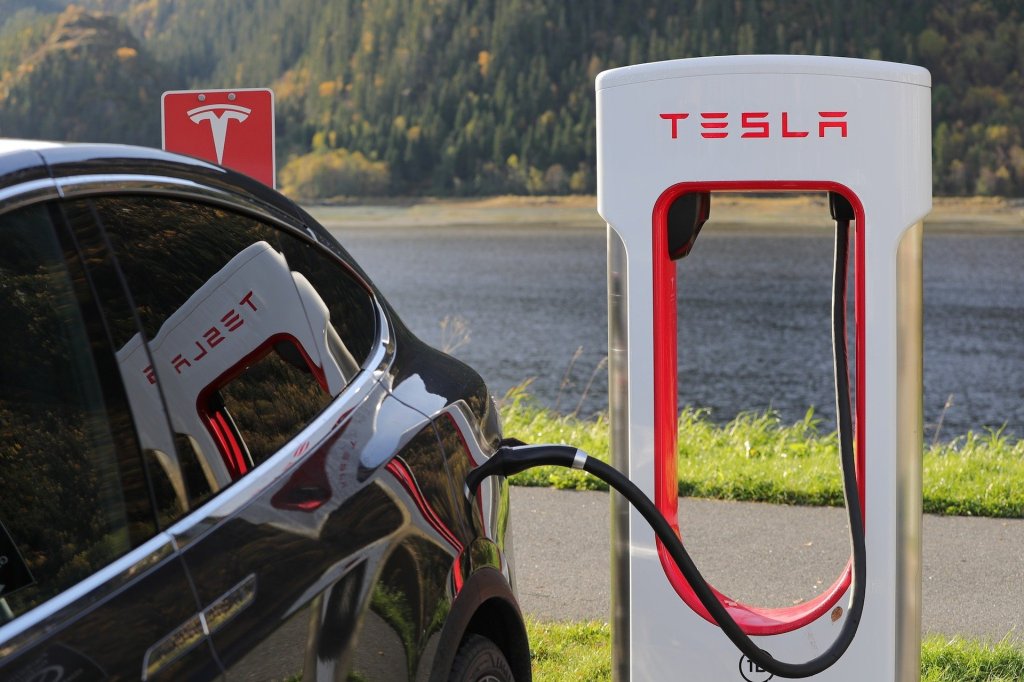
a system that connects with Enphase Solar Gateway at one end with Tesla vehicle charging on the other and redirects surplus solar energy for electric vehicle charging, promoting sustainability and reducing dependency on the grid. TesPhase utilizes real time Solar and EV charge monitoring and control.
The system dynamically adjusts the charging rate of the Tesla vehicle to match the excess solar production.
Energy Charts – The Difference
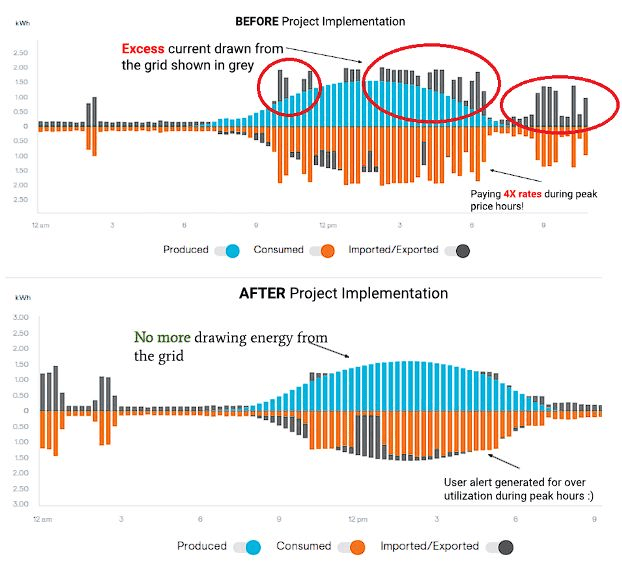
Th
The Impact
Through TesPhase, every home can transform its approach to energy consumption, seamlessly integrating solar power with electric vehicle charging. This innovative synchronization not only maximizes the use of renewable energy but also significantly reduces reliance on the grid, paving the way for a more sustainable and energy-efficient future.
User Alerts-
The alert system within the TesPhase project plays a crucial role in maximizing the efficiency of solar energy usage. By providing real-time notifications for critical events, such as peak utility price hours or system malfunctions, it ensures users can avoid over-utilization and manage their energy consumption more effectively, leading to enhanced sustainability and cost savings.

In the works:
- All-in-one energy management for smart homes
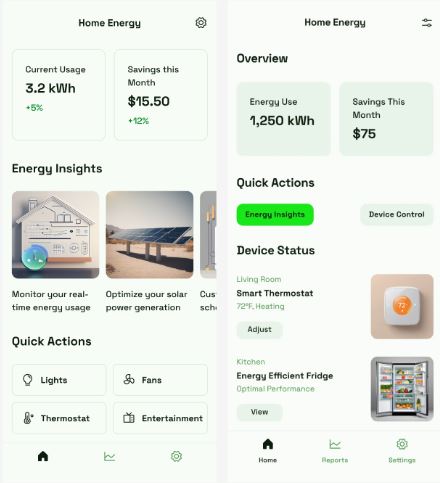
- Central dashboard to control multiple energy-consuming devices
- Personalized energy usage profiles based on user needs
The Features:
- AI agents trained on weather data will predict peak solar production.
- User “time-tables” show when excess energy will be available
- Expansion to other smart home devices beyond EVs
Specifications:
- All code in python 3.9
- Use of request, datetime, json, and time libraries
- Interfaces with Enphase’s Enlighten REST API (v4)
- Interfaces with Unofficial Tesla JSON REST API
- Authentication for API through URL requests using OAuth 2.0
 Akshat Sharma